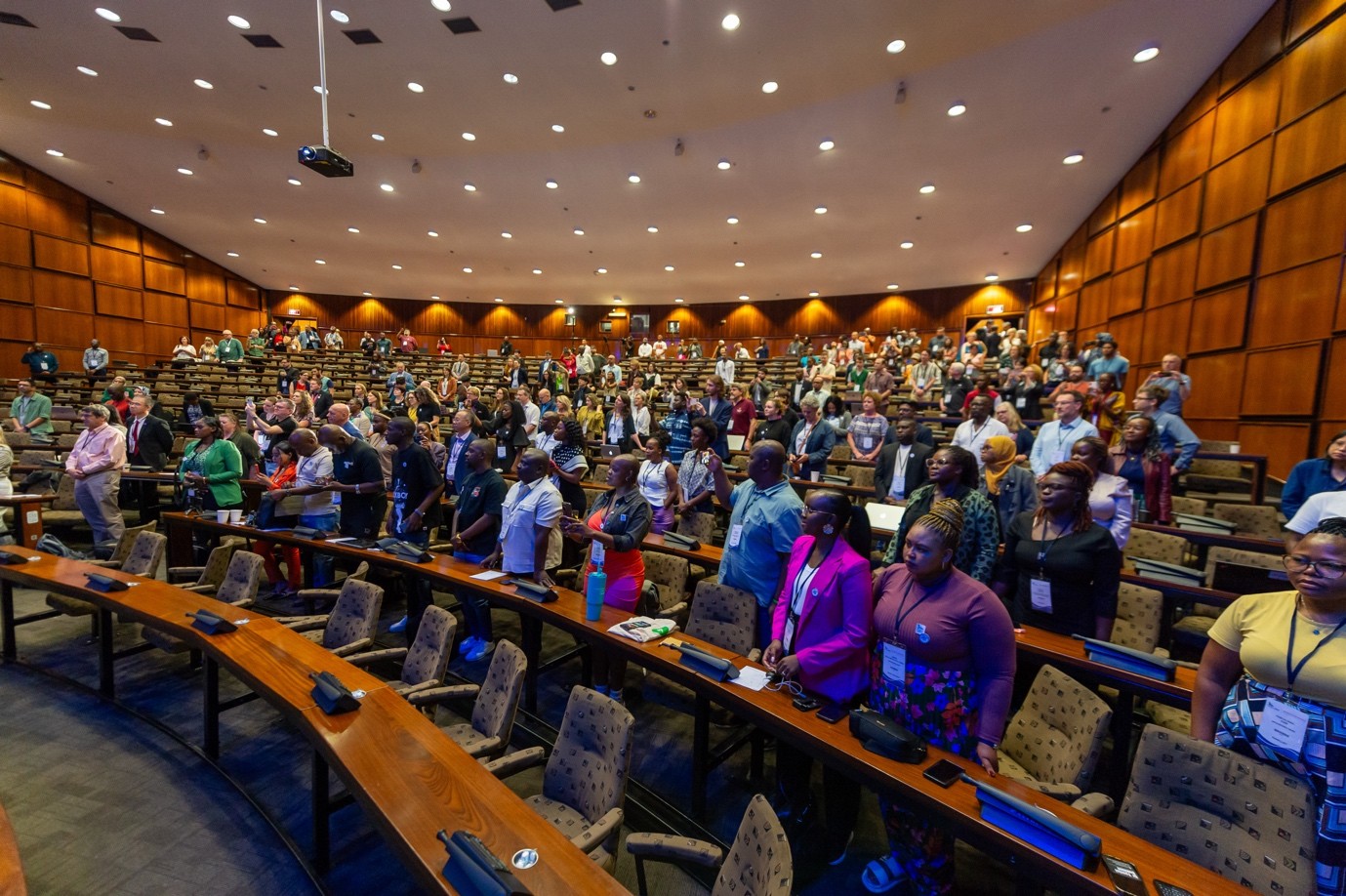
GLOBAL SCIENCE JOURNALISTS CONFERENCE CALLS FOR INCREASED VIGILANCE AND SOCIAL JUSTICE.

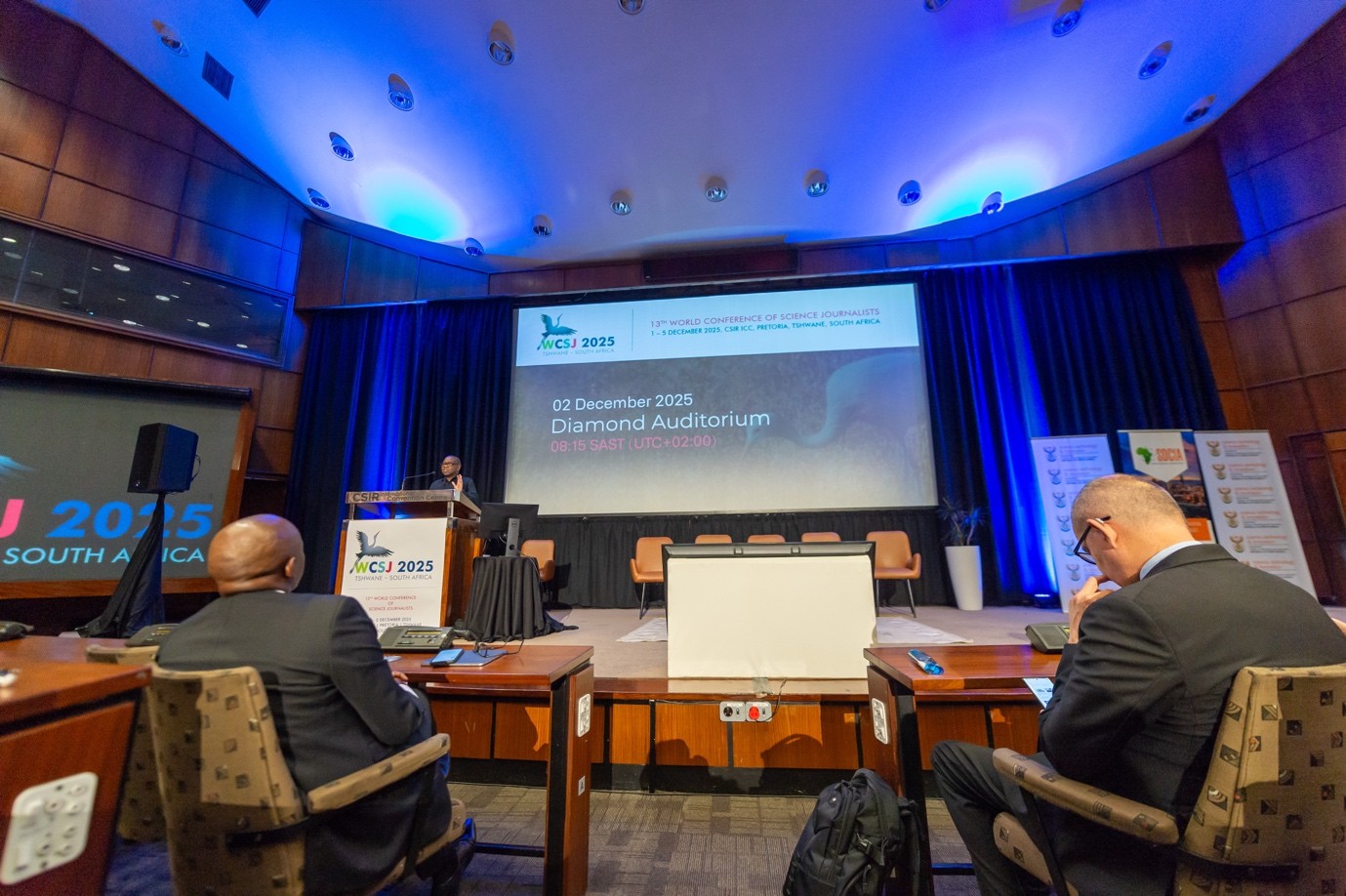
Caption: Mr. Blade Nzimande, the South African Minister for Science, Technology and Innovation delivered the keynote remarks at the official opening of the 13th edition of the World Conference of Science Journalists in City of Tshwane, South Africa.
In a historic move, the World Conference of Science Journalists (WCSJ2025) officially opened at the Council for Scientific and Industrial Research (CSIR) International Convention Centre in the City of Tshwane, South Africa.
The 13th edition of the conference is being held on African soil for the first time. The gathering bringing together more than 450 science journalists, experts and stakeholders was officially opened by Blade Nzimande, the South African Minister for Science, Technology and Innovation.
The theme of the conference is: “Science Journalism and Social Justice: Journalism that Builds Understanding and Resilience”
Nzimande’s presence reinforced the national commitment to science engagement and strategic role of science journalism in societal development.
“Hosting this prestigious conference in Africa is a proud moment for South Africa and presents an opportunity to harness science as an instrument for social justice,” he said.
He called for scaling up of science journalism, urging both journalists and stakeholders to be vigilant.
“The African Continent needs science journalism in large numbers”, he said, noting that science is never neutral.
He cautioned reporters against being praise signers, urging all to keep the government accountable through engaging critically with documents, reports and policy decisions.
The conference was planned by the Science Journalists Association of South Africa (SASJA) in partnership with the Science Diplomatic Capital for Africa (SDCfA) and the World Federation of Science Journalists (WFSJ).
Mandi Smallhorne, the president of the South African Association underscored the importance of understanding scientific concepts and research as key components in maintaining a resilient and equitable community. She urged for more training opportunities to enable science journalists tackle and report on emerging technologies.
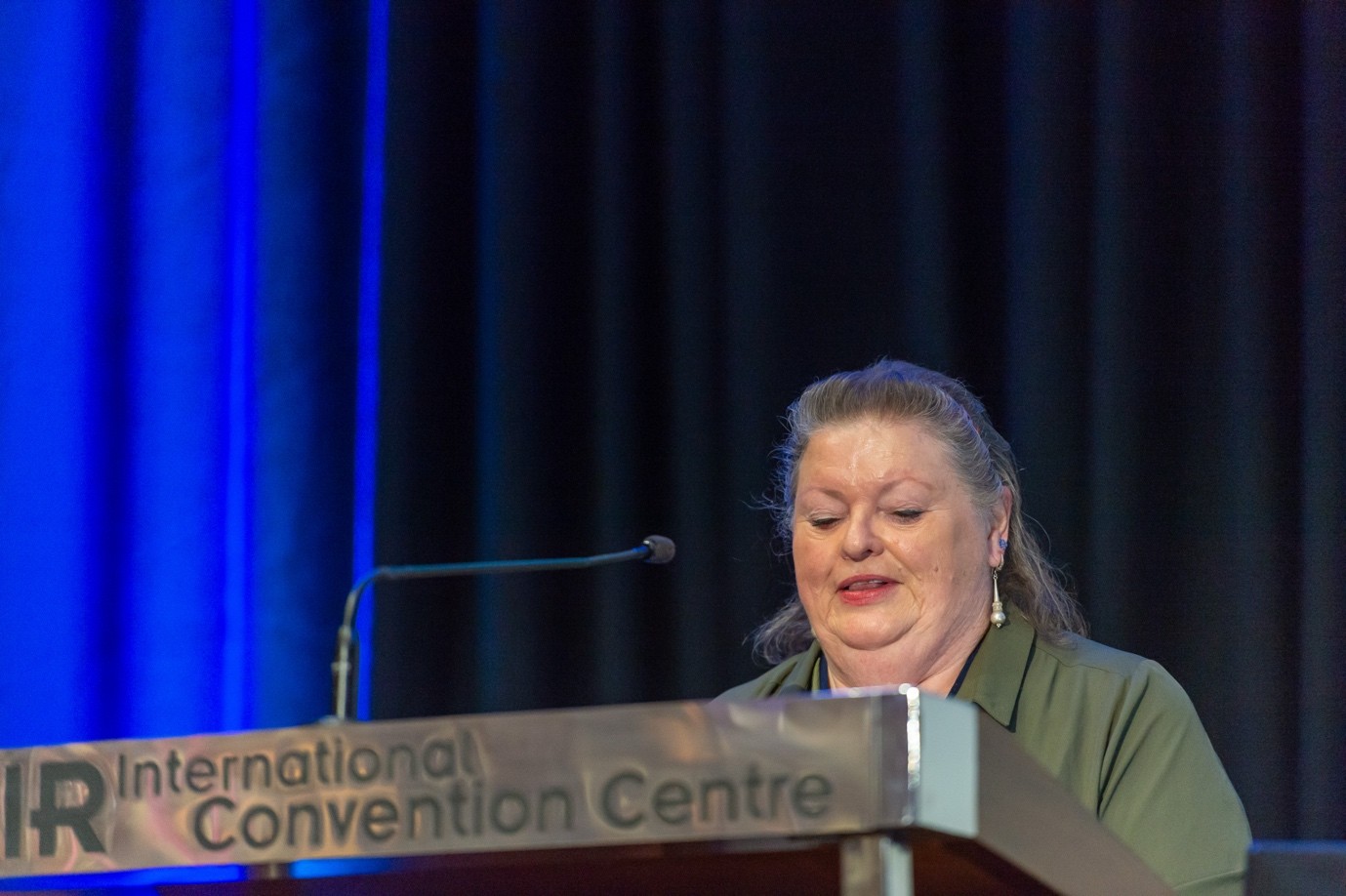
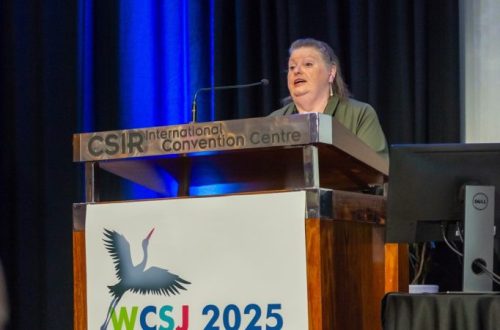
Mandi Smallhorne- President of the South African Science Journalists Association
“New technology makes it possible to bring science and scientific findings to life on different platforms, using techniques ranging from animation to storytelling to acute and targeted use of data, both with and without AI.”
The conference comes at a time when misinformation, disinformation and fake news have taken centre stage in the social media platforms, and technologies such as AI are being deployed to aid misinformation.
Conference Director and chair of the Programme Committee Engela Duvenage noted that these challenges require a global, collaborative response.
The conversations at the global convening, moved beyond the elements or reportage, to address eroding public trust as well as confront challenges occasioned by inequality and the operating environment within which journalists do their work.
Lynn Smit, Senior Editor at Nature Africa and local organizing committee member, reflected on the power of the forum. The sessions highlighted innovative strategies and tools that science journalists across regions employ to combat falsehoods and threaten public health and environmental policies.
Journalists were reminded of their cardinal duty of adherence to accuracy and fairness, to maintain journalistic integrity which keeps the audience confidence in the products but were also reminded that accuracy in scientific reporting helps to bring out the science without jeopardizing the work and reputation of scientists.
Other topics tackled in the global convening include the State of Science Journalism and Journalism and Well-being for People and the Planet.
The excellent selection of workshop themes has offered hands-on learning in an interactive setting.