
AFRICA’S FIRST GENE EDITED GRAPEVINE COULD BOOST DISEASE AND DROUGHT RESISTANCE
New study shows that editing grapevine DNA could improve climate resilience
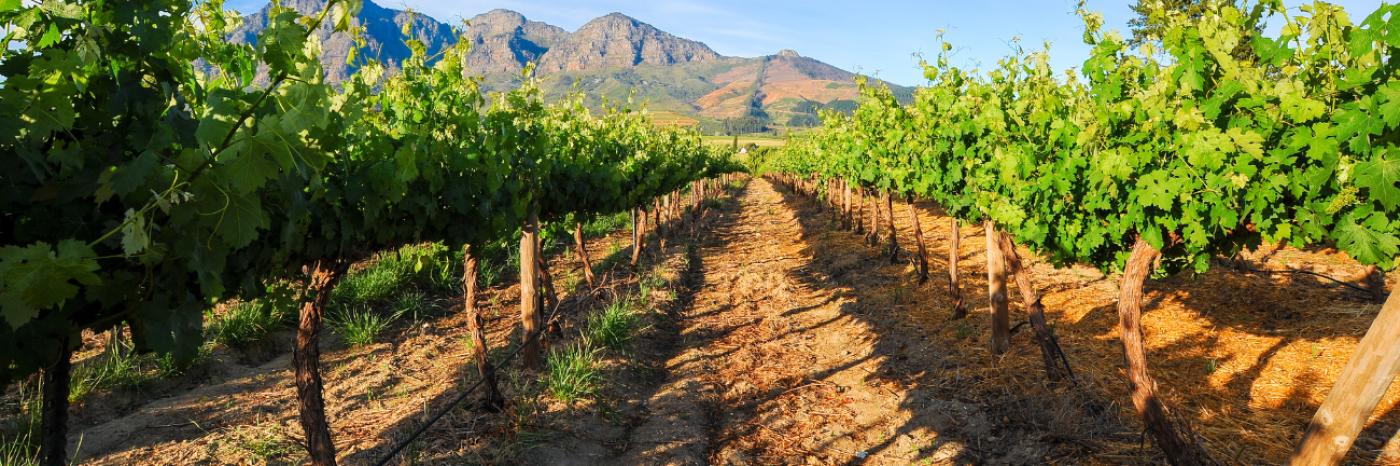
Image by ADOBE Stock
Summary:
- Grapevine (Vitis vinifera) is one of the most economically important fruit crops worldwide, yet its production is increasingly threatened by a broad range of stress factors including severe temperatures, drought, soil salinity
- CRISPR/Cas9 editing of 1 reduces susceptibility to downy mildew in grapevine.
- To investigate the potential role of DMR6 under water limitation, the wild-type and edited plants were subjected to water deficit conditions.
- Edited lines displayed a distinct water-saving strategy,
A team of researchers from Stellenbosch University (SU) and the Agricultural Research Council have, for the first time, successfully edited the DNA of a woody crop plant in Africa by making precise changes to its genetic material. This is a major milestone for plant biotechnology on the continent.
Using CRISPR technology – a tool that enables scientists to cut and edit DNA at very specific points – the researchers “switched off” a single gene (VvDMR6.1) in grapevine plants. This gene is linked to how the plants respond to disease. The researchers say that this change made the plants less vulnerable to downy mildew, a major disease that affects vineyards around the world.
The study was published in the journal Plant Stress.
Lead researcher Dr. Manuela Campa noted that the innovation represents a step toward integrating modern genome editing approaches into African crop improvement programs, particularly for high-value horticultural crops such as grapevine.
The breakthrough marks a significant milestone in using precision breeding to protect high-value horticultural crops in Africa.
Source: Holm CC, Havenga M, Burger JT, Lashbrooke JG, Campa, M (2026). CRISPR/Cas9-genome editing identifies the dual role of VvDMR6.1 in downy mildew resistance and response to water limitation in grapevine. Plant Stress. doi:10.1016/j.stress.2026.101306
https://www.sciencedirect.com/science/article/pii/S2667064X26000898?via%3Dihub
https://www.su.ac.za/en/unescochair-icc/node/26328