COP17 IN ARMENIA: AFRICA PUSHES FOR BIODIVERSITY FINANCE AS THE WORLD FALLS BEHIND ON NATURE TARGETS
The 17th Conference of Parties to the Convention on Biological Diversity (CBD) opened its doors in Yerevan, Armenia on October 19, 2026. The past week has seen delegates arrive at the European city, and deliberate key issues at the conference. The 17th Conference of the Parties (COP17), is the first global review of collective progress under the Kunming–Montreal Global Biodiversity Framework.
The Kunming–Montreal Global Biodiversity Framework was adopted in 2022 and aims to halt and reverse biodiversity loss by 2030, including the commitment to conserve 30 per cent of the world’s land and sea.
The conference runs from October 19 to 30, 2026.
The African Genetic Biocontrol Consortium (AGBC) is an accredited observer to the talks. AGBC is a collaborative platform of African organizations and experts working to strengthen Africa’s leadership, governance, and technical capacity in the research, development, and responsible use of genetic biocontrol technologies. The Consortium focuses particularly on applications that can address malaria and other vector-borne diseases, while also recognizing potential uses in animal health, agriculture, biodiversity conservation, and environmental protection.
Issues of importance and which the AGBC is following keenly at the Yerevan talks include those that touch on how genetic biocontrol technologies are governed, researched and potentially deployed to address biodiversity loss and public-health challenges in Africa.
At the opening of the conference, Convention on Biological Diversity (CBD) Executive Secretary Astrid Schomaker called for an action-oriented conference to demonstrate that multilateralism works, commitments are honoured, and the triple planetary crisis can be tackled.
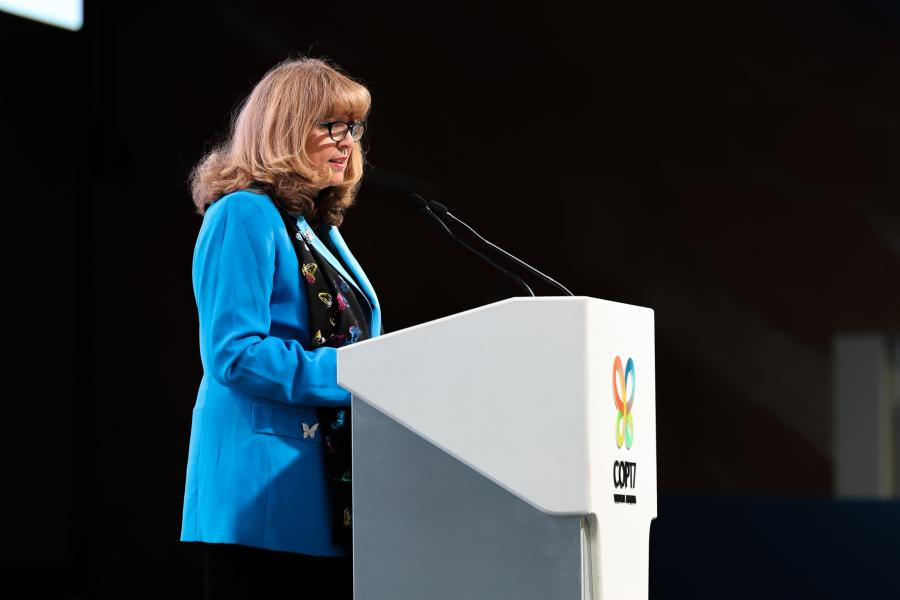
Executive Secretary of the Convention on Biological Diversity Astrid Schomaker: Photo by IISD/ENB – Mike Muzurakis
How will the decisions of the CBD affect technologies such as gene drives and other genetic approaches to controlling invasive alien species or disease vectors, while safeguarding biodiversity, respecting national sovereignty and ensuring meaningful participation by African countries and communities?
COP 17 President-Designate Hambardzum Matevosyan, Minister of Environment, Armenia, noted that with mutual respect and open dialogue, delegates can bridge differences and assume their shared responsibility to protect nature for the generations to come.
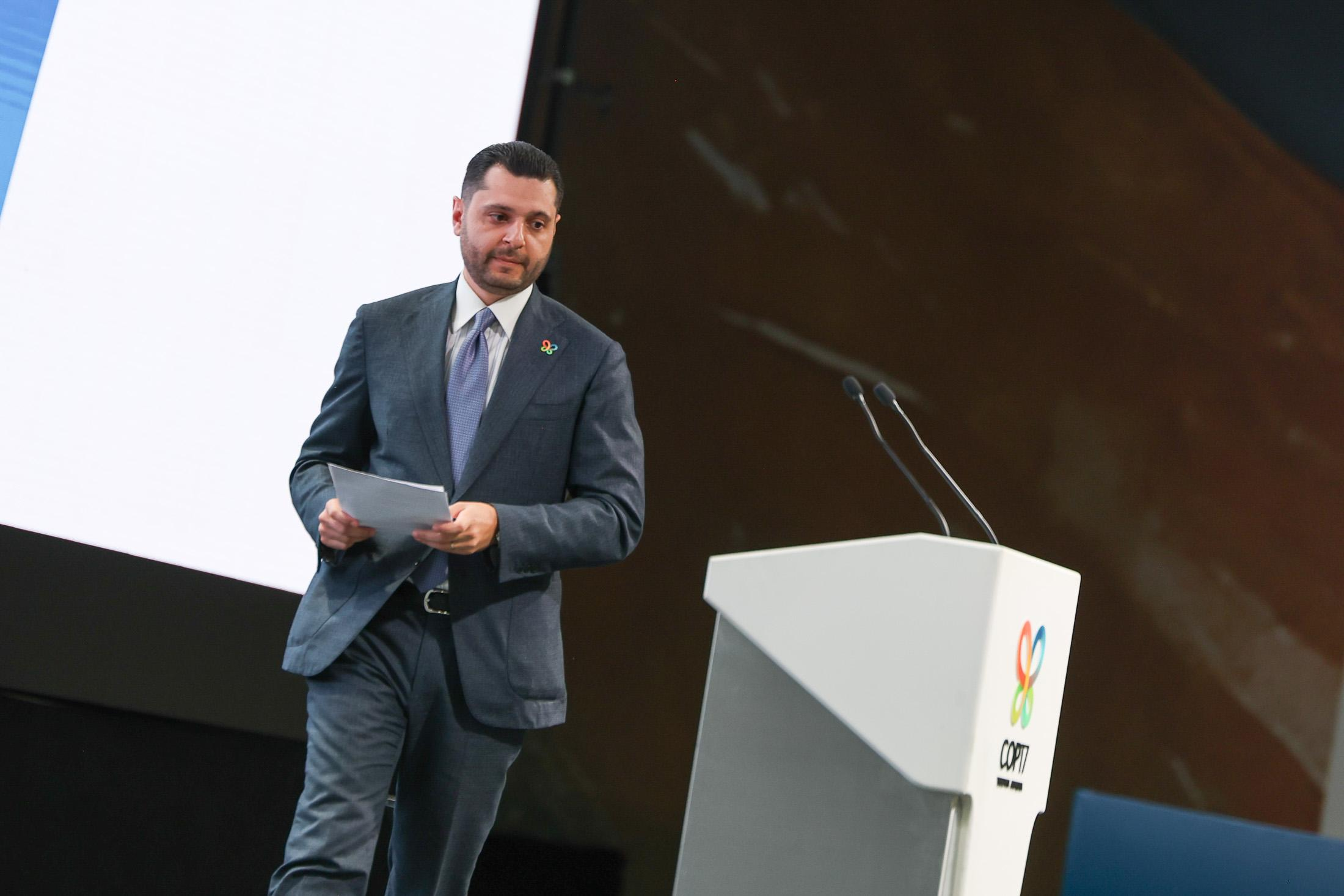
COP 17 President-Designate Hambardzum Matevosyan, Minister of Environment, Armenia
Photo by IISD/ENB – Mike Muzurakis
The Yerevan meeting includes the Cartagena Protocol on Biosafety and the Nagoya Protocol on Access and Benefit-sharing, both directly relevant to genetic biocontrol.
Here are some issues:
- Synthetic biology and the proposed Thematic Action Plan
Negotiators are considering a framework for capacity-building, technology transfer, knowledge-sharing and other support for synthetic biology. The plan could influence how African researchers access expertise, infrastructure, funding and regulatory support for gene drives, genome editing and other genetic biocontrol approaches
- Gene-drive governance and environmental risk assessment
The CBD’s existing decisions call for a precautionary approach to engineered gene drives, reflecting uncertainties about their potential effects.
- Cartagena Protocol: biosafety rules and regulatory capacity
The Cartagena Protocol concerns the safe handling, transport and use of living modified organisms that may adversely affect biodiversity. Its meeting takes place alongside COP17. African countries need regulatory systems capable of evaluating genetic biocontrol proposals on their scientific merits, including their environmental and health implications.
- Technology transfer to African countries
COP17’s wider negotiations include biodiversity finance and implementation of the Kunming–Montreal Global Biodiversity Framework.
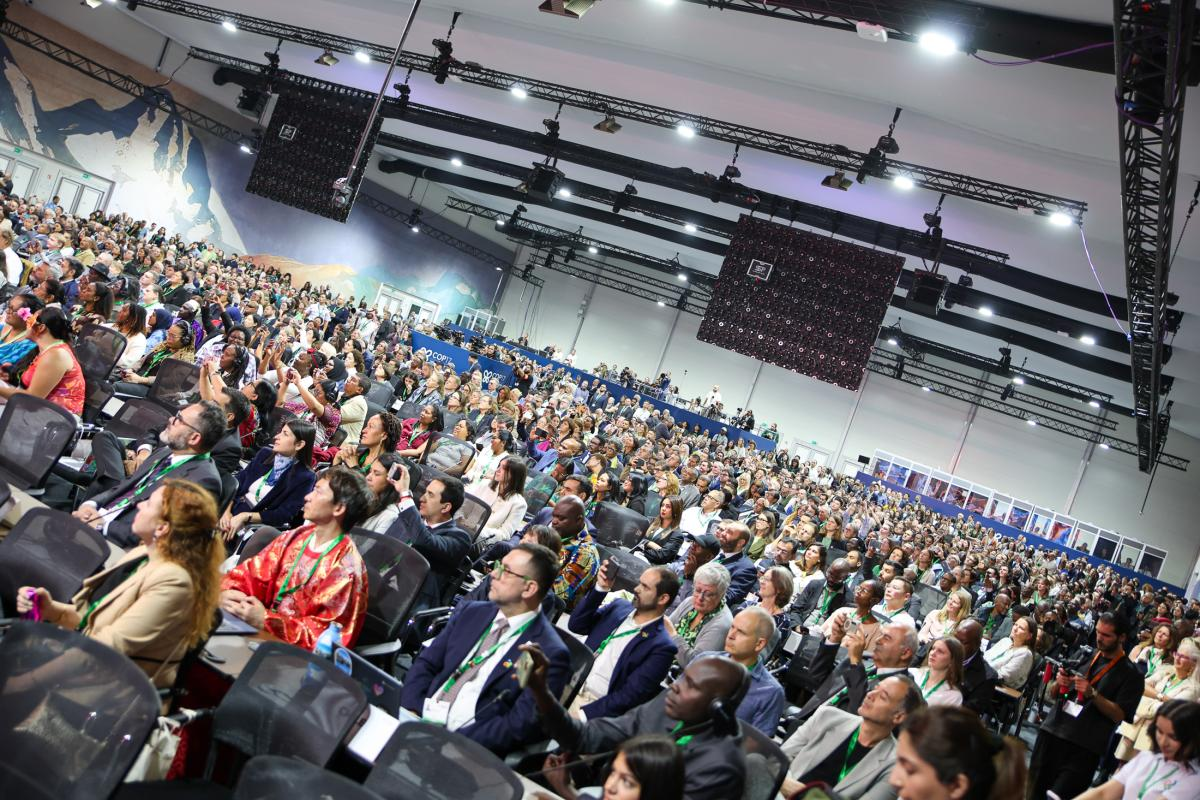
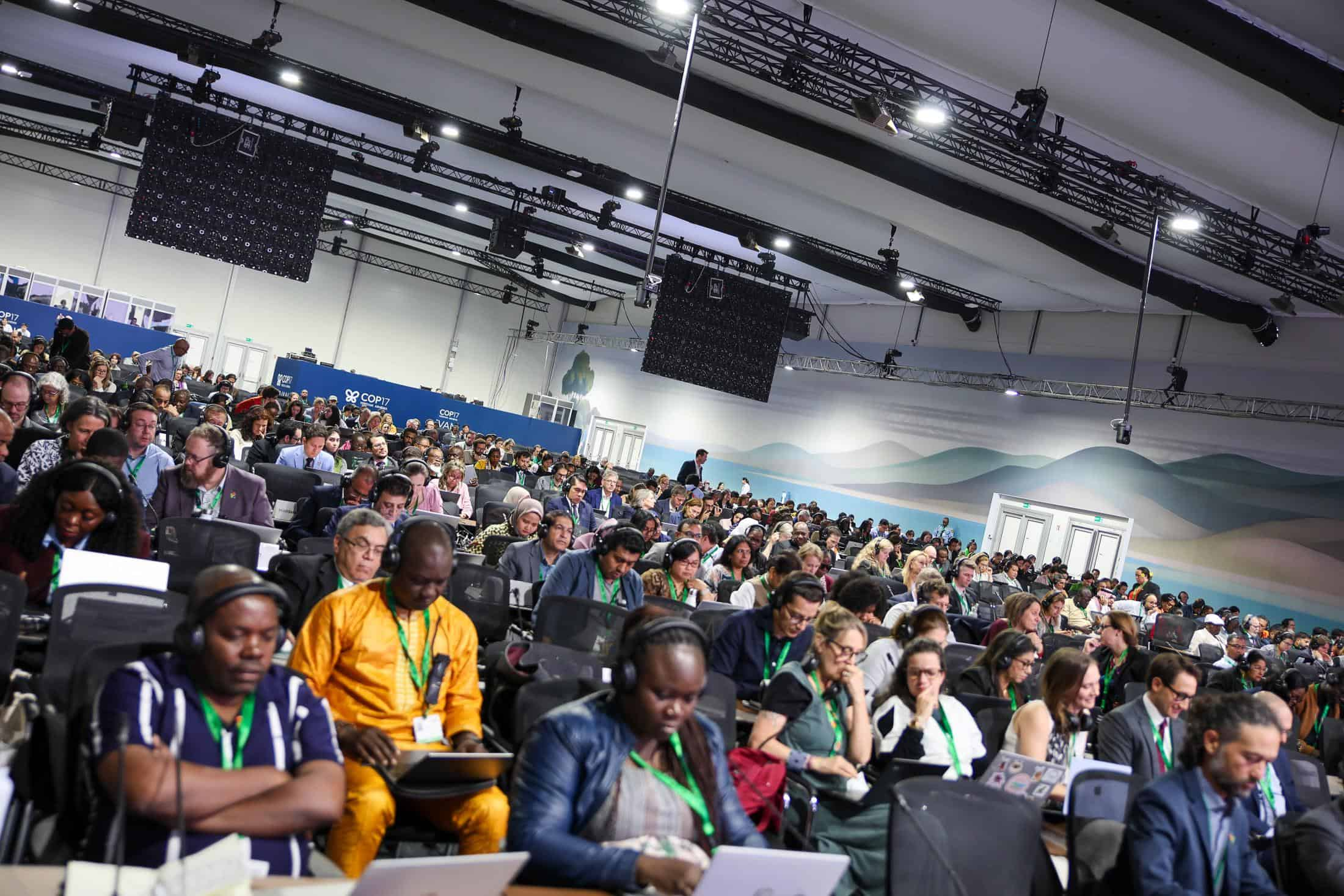
Delegates follow proceedings at COP 17 in Yerevan, Armenia
Photo by IISD/ENB – Mike Muzurakis
COP17 is the first global review of collective progress under the Kunming–Montreal Global Biodiversity Framework. The review will influence how countries assess implementation gaps and identify priorities for accelerating action.
Sources: https://enb.iisd.org/un-biodiversity-conference-cbd-cop17-18Oct2026