AFRICAN GENETIC BIOCONTROL CONSORTIUM JOINS EXPERTS IN GLOBAL NEGOTIATIONS AS SBSTTA-28 OF THE CONVENTION ON BIOLOGICAL DIVERSITY (CBD) KICKS OFF IN NAIROBI
28th meeting of the CBD Subsidiary Body on Scientific, Technical, and Technological Advice (SBSTTA 28) and 7th meeting of the Subsidiary Body on Implemenation (SBI7)
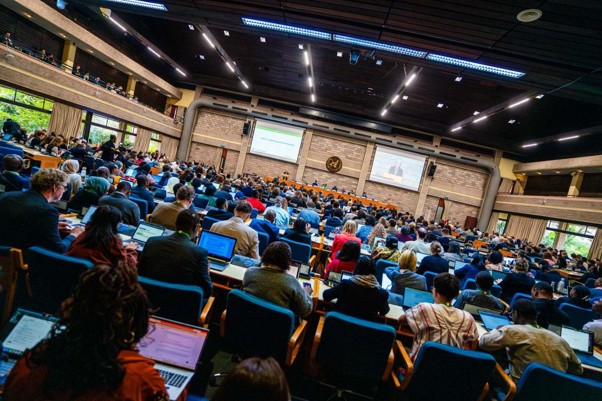
The meeting of the Subsidiary Body on Scientific, Technical and Technological Advice. (SBSTTA-28) officially opened at the UN Headquarters in Gigiri, Nairobi. SBSTTA -28 runs from 27 July to 1 August 2026 at the UN Office in Nairobi. This will be followed by the Subsidiary Body on Implementation (SBI-7) from 4 to 12 August 2026.
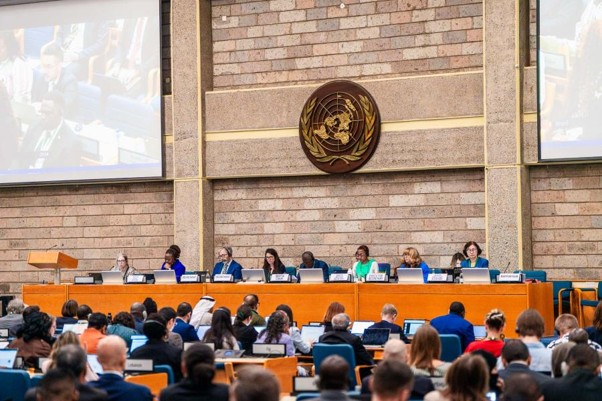
Credit: ENB
SBSTTA 28 meeting was preceded by three information workshops on:
- The global report on collective progress in the implementation of the Global Biodiversity Framework.
- The assessment on business and biodiversity recently completed by Intergovernmental Science-Policy Platform on Biodiversity and Ecosystem Services (IPBES). IPBES is an independent body of over 150 member governments often described as the “IPCC for biodiversity.
and
- The outcomes of the Ad Hoc Technical Expert Group on Synthetic Biology.
The Subsidiary Body on Scientific, Technical and Technological Advice (SBSTTA) and the Subsidiary Body on Implementation (SBI) are both permanent subsidiary bodies of the Convention on Biological Diversity (CBD). SBSTTA provides scientific, technical and technological advice, while the SBI reviews the implementation progress of the Convention and its Protocols and provides recommendations to strengthen implementation.
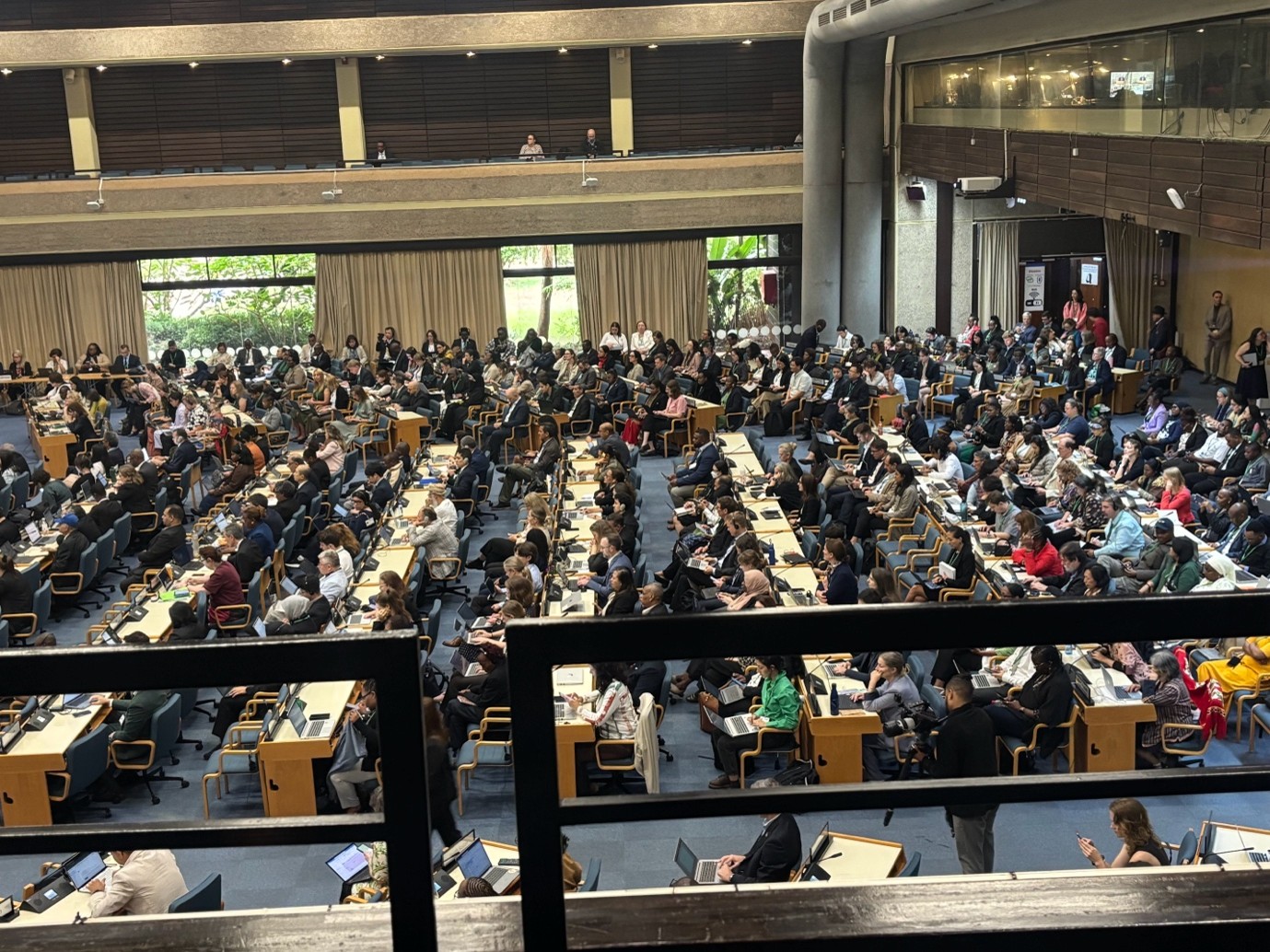
Delegates follow proceedings during a plenary session. Credit: AGBC
An informal dialogue on Article 8(j) and other provisions of the CBD related to Indigenous Peoples and local communities will take place immediately after the SBI 7 meeting.
The meeting is being chaired by Jean Bruno Mikissa of Gabon, who serves as the Chair of SBSTTA. He has chaired the SBSTTA Bureau throughout the preparations for this session and opened the meeting in Nairobi.
At the official opening, Mikissa noted that the negotiations and recommendations being put forward to the Subsidiary Body, would be a great step in influencing scientific evidence and political decision-making.
“Our responsibility is to ensure that informational inputs and recommendations are scientifically robust, technically sound, and responsive to the needs of Parties as they prepare for COP 17,” he said.
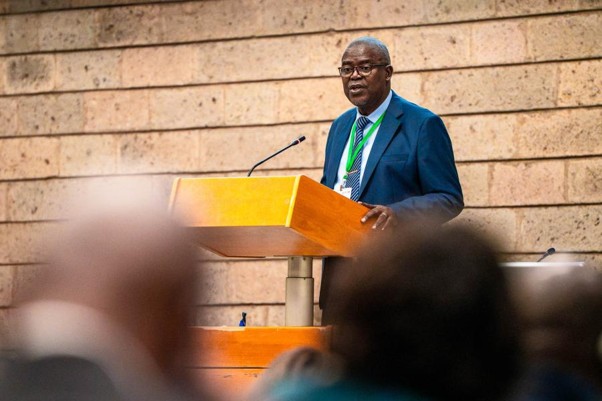
Jean Bruno Mikissa, SBSTTA 28 Chair, Gabon. Credit: ENB
Astrid Schomaker, Executive Secretary, CBD, underscored that the global review is not just a process of ticking boxes but is a critical mechanism to track and monitor implementation progress. She underlined that the breadth and scale of SBSTTA 28 agenda reflects the complexity of the issues, and encouraged constructive, pragmatic, and collaborative work towards GBF implementation.
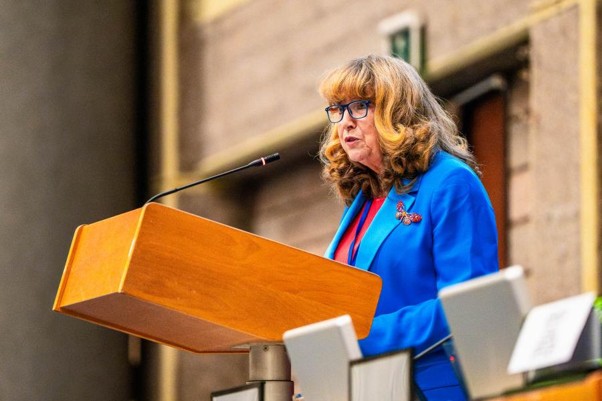
Astrid Schomaker, Executive Secretary, CBD, Credit: ENB
As of the official opening (the opening day of SBSTTA-28 in Nairobi), the delegates were mainly dealing with organizational matters, opening statements and setting the direction for the week’s negotiations. Regional groups are setting out negotiating priorities.
The African Genetic Biocontrol Consortium (AGBC) is a leading African platform that translates genetic biocontrol science into safe, ethical, and impactful solutions for agriculture and public health. AGBC provides a platform for African experts and institutions to interact, strengthen technical capacity, exchange knowledge, and deliberate on the challenges and opportunities associated with genetic biocontrol technologies.
As an accredited observer in the talks, the Consortium is pleased to be part of these negotiations and will focus on decisions, scientific debates and African implications that will shape future policy on genetic biocontrol technologies including synthetic biology.
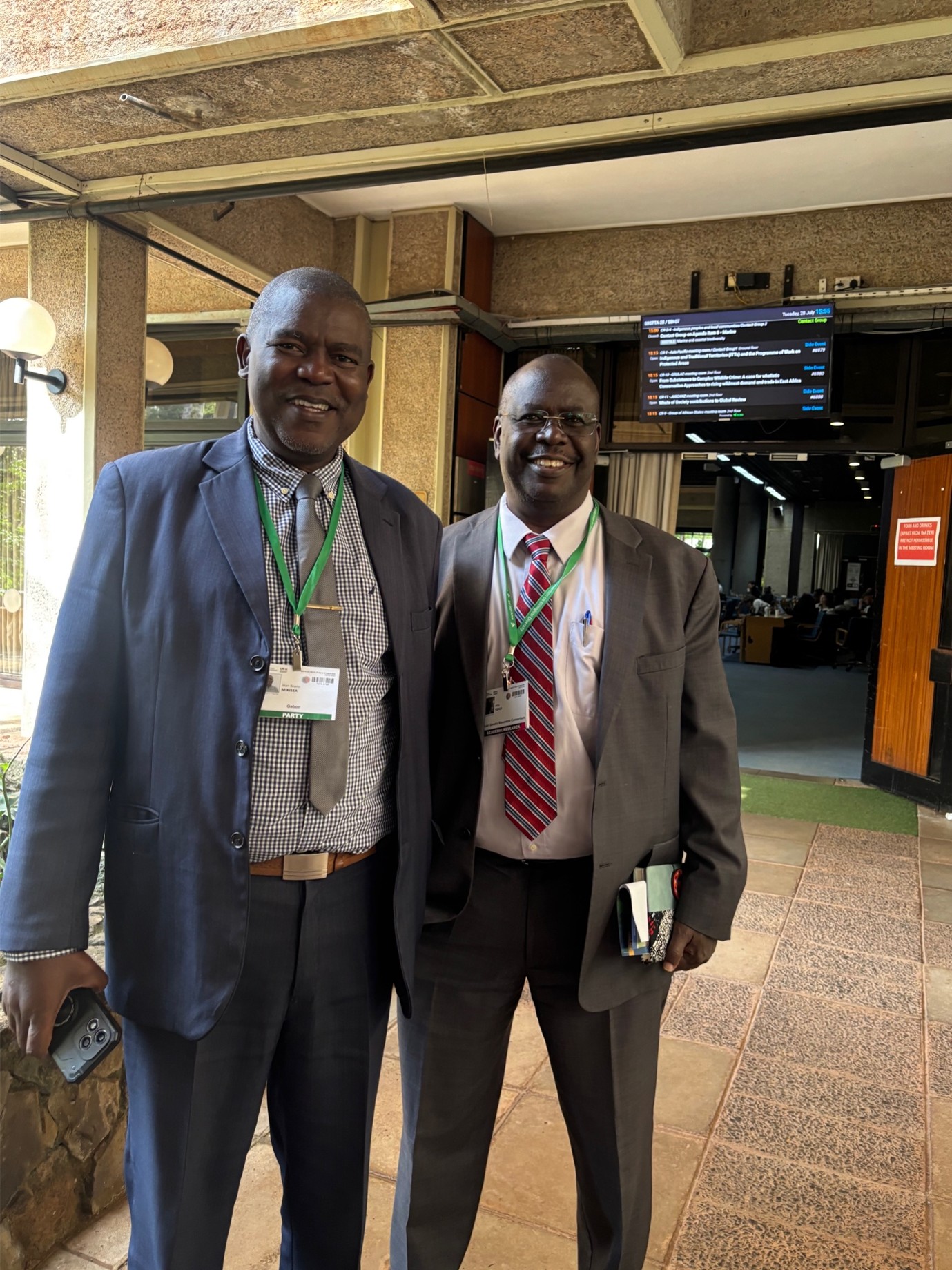
Founder and Executive Director Dr. Willy Tonui with SBSTTA 28 Chair Jean Mikissa at the UN Headquarters, Gigiri Tuesday, July 28. Credit: AGBC
At the SBSTTA 28 meeting, AGBC is concerned about the following issues:
- Synthetic biology outcomes
This is the most directly relevant agenda item for AGBC.
We shall be following keenly on recommendations emerging from the Ad Hoc Technical Expert Group (AHTEG).
Discussions on the thematic action plan for capacity-building, technology transfer, and knowledge sharing.
How Parties interpret emerging technologies such as gene drives, genome editing, and synthetic biology within the Convention on Biological Diversity.
- Implications for gene drive governance
Even if engineered gene drives are not a standalone agenda item, discussions on synthetic biology influence future governance. We shall be looking at how precautionary approaches are being strengthened.
The AGBC has in the past co-hosted technical events on operationalizing voluntary guidance for gene-drive risk assessment, therefore issues will build directly on discussions from SBSTTA-27.
- African perspectives in negotiations
The Consortium will seek to examine positions taken by African Parties, proposed interventions as well as capacity needs by the African delegations. The consortium will also be on the look out for areas where African countries speak with one voice or diverge.
SBSTTA is primarily a scientific advisory body.
Arising from these meetings, the AGBC will be looking at which recommendations are likely to reach CBD COP-17? Which remain politically contested and which are based on new scientific evidence.
The SBSTTA 28 meeting marks the midpoint between the adoption of the Kunming-Montreal Global Biodiversity Framework (GBF) in 2022 and its 2030 target date.