
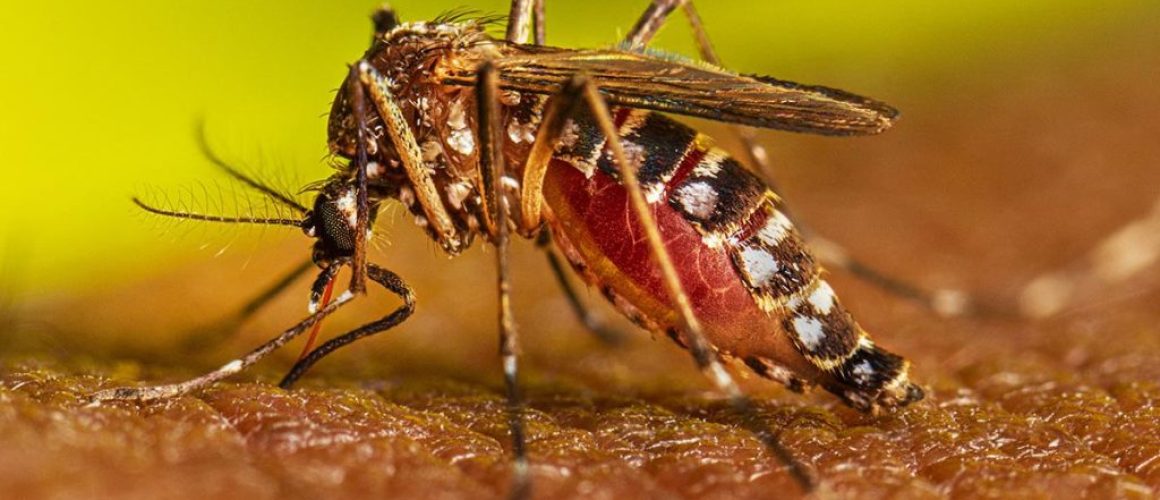
WHO Seeks Global Input on Standards for Modified Mosquito Technologies
The World Health Organization has invited scientists, regulators and other stakeholders to comment on proposed product characteristics for modified mosquitoes, as research into new tools for controlling malaria and other mosquito-borne diseases advances.
The World Health Organization (WHO) has opened a public consultation on proposed Preferred Product Characteristics (PPCs) for modified mosquitoes, marking a new step towards guiding the development of emerging technologies for controlling mosquito-borne diseases.
Announced on 18 November 2026, the consultation seeks feedback on a draft document intended to help researchers and product developers align emerging mosquito control technologies with global public health needs.
The initiative comes as scientists explore alternatives and complementary approaches to conventional mosquito control methods, including insecticide-treated nets and indoor residual spraying, which face challenges associated with insecticide resistance and implementation.
WHO says advances in mosquito biology and genetics have made it possible to develop approaches that either reduce mosquito populations or limit the ability of mosquitoes to transmit disease-causing pathogens.
Several technologies are already being investigated or evaluated, although their development and deployment status varies considerably.
Why WHO is developing new guidance
The proposed Preferred Product Characteristics are intended to provide high-level guidance for developing modified mosquito technologies.
Rather than prescribing a single approach, the framework aims to help researchers, developers and funders identify desirable characteristics for products intended to address public health needs.
WHO convened a group of experts in September 2026 to prepare the initial draft.
The organisation is now seeking public comments to ensure that the proposed characteristics reflect scientific advances and incorporate different perspectives.
According to WHO, the framework could guide projects in their early stages while helping more advanced programmes assess whether their technologies remain aligned with public health priorities.
The PPCs are also intended to provide a foundation for developing more detailed Target Product Profiles (TPPs).
These profiles would define optimal and minimum acceptable characteristics for particular types of modified mosquito products.
The distinction is important. Preferred Product Characteristics provide strategic direction for research and development but do not establish minimum approval requirements or replace regulatory assessments.
Modified mosquitoes: What technologies are being explored?
Researchers are investigating several approaches to modifying mosquito populations or reducing their ability to spread disease.
One approach involves the use of Wolbachia, a naturally occurring bacterium that can be introduced into mosquito populations.
Depending on the method, Wolbachia-based interventions may suppress mosquito populations or reduce their capacity to transmit certain pathogens.
WHO notes that large-scale evaluations of Wolbachia-based population suppression and replacement approaches have already been conducted.
Another approach is the Sterile Insect Technique (SIT), which involves releasing sterile male mosquitoes to mate with wild females, reducing the production of viable offspring.
Research is also continuing into genetically modified mosquitoes, including approaches targeting malaria-transmitting species.
Some genetic technologies seek to suppress mosquito populations, while others aim to make mosquitoes less capable of transmitting pathogens.
These approaches are not interchangeable. They differ in their biological mechanisms, potential effects, development requirements and regulatory considerations.
WHO reports that some genetically modified mosquito programmes targeting malaria vectors are being developed towards evaluation releases.
It also identifies an Aedes aegypti control programme involving Oxitec/Flytter as an example of a technology with regulatory approval and operational use in certain settings.
However, the existence of approved or operational programmes does not mean that all modified mosquito technologies have demonstrated effectiveness or received regulatory authorisation.
What the consultation means for Africa
The consultation is particularly relevant to African countries, where malaria remains a major public health challenge and researchers are exploring additional approaches to mosquito control.
Emerging genetic biocontrol technologies have generated scientific and policy discussions about their potential contribution to malaria prevention, as well as the evidence and oversight required before they could be considered for broader use.
For African researchers and regulatory institutions, the consultation provides an opportunity to contribute perspectives on the characteristics that future mosquito control technologies should possess.
These include considerations related to effectiveness, safety, implementation and suitability for different public health settings.
The process also raises broader questions about the scientific and regulatory capacity required to independently assess emerging technologies.
Developing that capacity could help African countries evaluate evidence, consider potential benefits and risks, and make informed decisions about technologies proposed for use in their communities.
Safety, environmental assessment and community engagement
The new consultation builds on WHO’s earlier work concerning the responsible evaluation of genetically modified mosquitoes.
In 2021, WHO published the second edition of its Guidance Framework for Testing Genetically Modified Mosquitoes, providing recommendations for assessing the safety, effectiveness and ethical implications of these technologies.
The framework addresses risk assessment, stakeholder engagement, regulatory requirements and the progression of technologies from laboratory research to field evaluation.
It also recognises the importance of considering potential consequences for human health, animal health and the environment.
For technologies incorporating gene drive, which may increase the inheritance of particular genetic traits, careful assessment of potential ecological and other effects is especially important.
WHO’s approach emphasises phased testing and evidence-based decision-making, supported by appropriate regulatory oversight and engagement with affected communities.
The proposed PPCs are intended to complement such guidance by establishing desirable product characteristics earlier in the development process.
They do not replace the need for case-specific risk assessments, regulatory approvals or community engagement.
WHO strengthens work on modified mosquito oversight
The consultation follows a separate WHO initiative concerning quality assurance in modified mosquito production.
Earlier in 2026, WHO’s Prequalification Programme proposed piloting a Quality Assurance Mechanism to assess modified mosquito production processes and manufacturing facilities.
That initiative underwent public consultation between 28 August and 30 October 2026.
Unlike the earlier proposal, which focused on production quality assurance, the new consultation concerns the preferred characteristics of modified mosquito technologies as public health products.
Together, the initiatives reflect WHO’s efforts to develop guidance and assessment processes as mosquito-based technologies advance.
Public invited to submit comments by 31 December
WHO has invited interested stakeholders to review the draft Modified Mosquitoes: Preferred Product Characteristics document and submit comments before 31 December 2026.
The organisation has provided the draft document and a spreadsheet for collecting feedback.
Comments should be submitted to vectorsurveillance@who.int using the feedback spreadsheet available on WHO’s website.
The consultation offers scientists, public health institutions, regulators, technology developers and other interested stakeholders an opportunity to contribute to the development of guidance for emerging mosquito control technologies.
As research progresses, the proposed framework could help establish clearer expectations for technologies being developed to address malaria and other mosquito-borne diseases.
Its significance will depend on how the final guidance incorporates the evidence, public health priorities and perspectives submitted during the consultation.
Read the WHO consultation notice and access the draft documents:
https://www.who.int/news-room/articles-detail/call-for-public-comments-and-invitation-to-review—modified-mosquitoes–preferred-product-characteristics
Submission deadline: 31 December 2026.