MEETING OF THE SUBSIDIARY BODY ON IMPLEMENTATION (SBI 7)
AFRICAN GENETIC BIO-CONTROL CONSORTIUM JOINS PARTIES IN NEGOTIATIONS IN NAIROBI
The SBI -7 meetings are focused on implementation of negotiations under the Convention on Biological Diversity (SBI-7). The plenary sessions considered reports and recommendations from contact groups and working groups on the implementation of the Kunming–Montreal Global Biodiversity Framework (KMGBF).
Among key items included are:
- Reviews of implementation under the Cartagena Protocol on Biosafety and the Nagoya Protocol.
- A thematic action plan on synthetic biology, focusing on capacity-building, technology transfer and knowledge sharing.
- Capacity-building and technical and scientific cooperation.
- Digital Sequence Information (DSI) on genetic resources.
- Communication, education and public awareness (CEPA).
These are among issues that the African Genetic Biocontrol Consortium is paying attention to. After last week’s intense meetings of the Subsidiary Body on Scientific, Technical and Technological Advice (SBSTTA), a draft action plan on Synthetic Biology was presented to which countries concurred that the plan was good, but there were pockets of disagreement on how to move forward.
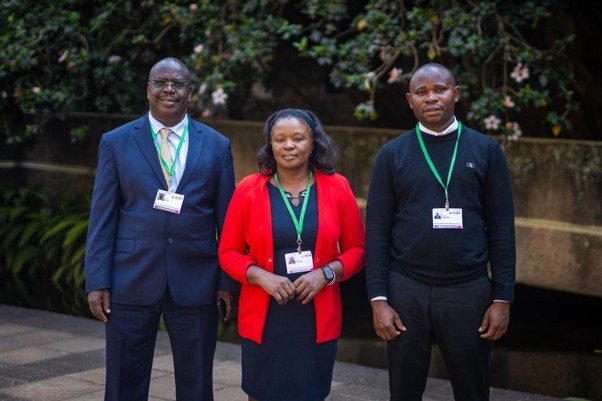
From left: The African Genetic Biocontrol Consortium delegation at the on-going SBI-7 negotiations at the UN Headquarters, Gigiri: Dr. Willy Tonui – Founder and Chairman, Rosalia Omungo- Chief Executive Officer and Dr. Raphael Mwalimu – Science, Technology &Innovation (STI) and Quality Assurance Manager
Picture Credit: IISD/ ENB Danny Skilton
Developing countries raised concerns as most of the world’s advanced research in synthetic biology belongs to and is concentrated in the rich nations. Developing countries are rooting for support relating to fair access to technology and training as promised by the Convention on Biological Diversity (CBD). This is a way of cushioning the poorer nations who might end up facing risks and not receiving benefits associated with the emerging technology.
Delegates converged to begin to focus on implementation. The purpose of plenary sessions is to adopt recommendations that will be forwarded to CBD COP17 for final negotiation and decision.
Looking ahead to COP 17 in Armenia
The Subsidiary Body on Implementation (SBI-7) is an important process because it picks the discussion forward from Scientific Advice to Implementation. For African researchers working on fields related to genetically modified mosquitoes, gene-drive research, Wolbachia-based approaches and other emerging genetic biocontrol tools, implementation language matters because it affects governance, capacity-building, technology transfer,public engagement and funding priorities.
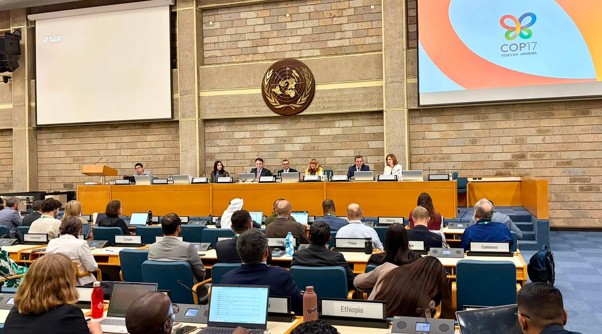
Credit: Astrid Schomaker: @SchomakerAstrid
The Executive Director of the UN CBD Astrid Schomaker lauded Armenia for the progress, dedication and commitment towards making the 2026 Biodiversity Conference a pivotal moment for action for nature.
We will be looking keenly into the next steps ahead of COP 17 in Armenia, including whether negotiators strengthen language around science-based decision-making. The African Genetic Biocontrol Consortium is also focusing on how implementation of the Cartagena Protocol evolves for emerging biotechnologies. Of key importance in the negotiations is the question on capacity building and whether biosafety will receive stronger support. We will also be following decisions surrounding synthetic biology and governance arrangements, it being a critical subject in this round of negotiations. Other issues under discussion are how implementation of Digital Sequence Information (DSI) develops.
Recommendations from Nairobi will feed directly into CBD COP17 in Yerevan, Armenia (October 2026) , where ministers and heads of delegation ultimately make political decisions.